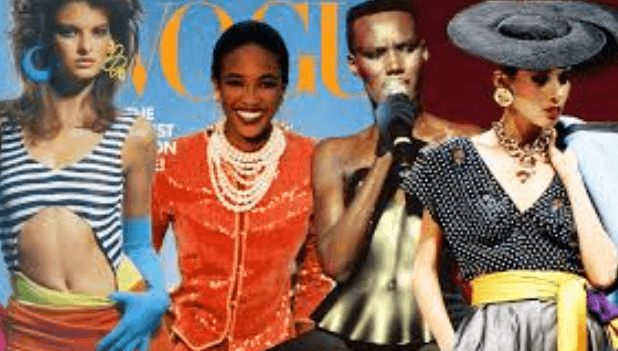
Fashion icons reframed industry norms through decisive gesture and public storytelling. Their impact emerges in archival traces: show scripts, campaigns, and silhouettes that signal shifted power. These figures coerced houses, media, and markets to reconsider beauty, gender, and prestige. Yet the full arc remains unsettled, balancing risk with reward as narratives evolve. The tensions between bold rebellion and commercial viability invite further examination of howIconic acts become normalized in everyday dress.
Who Changed Fashion: Trailblazing Icons That Reshaped Style
Fashion’s most transformative figures emerged not merely as trendsetters but as agents of institutional and cultural shift, their influence rippling through design houses, media, and consumer markets. The analysis traces trailblazers who reframed authority, blending identity and craft. It notes bold revolutionary energy, gender bending silhouettes, sartorial democratization, and subculture alpha movements guiding markets toward inclusive aesthetics and critical discourse.
Pursuing Breakthrough Narratives: Pioneers Who Refused to Play It Safe
Across fashion history, a cohort of designers and creatives pushed beyond conventional boundaries, treating risk as a method rather than a byproduct. Pioneers pursued breakthrough narratives by rejecting safety nets, reframing failure as data. Their risk taking reshaped legitimacy, while boundary preaking—a mis-spelling of boundary breaking perhaps—signals a deliberate break from precedent, enabling insurgent aesthetics and persistent redefinitions within modern fashion discourse.
From Runway to Real Life: How Iconography Changed Everyday Dress
From Runway to Real Life: How Iconography Changed Everyday Dress examines how runway silhouettes, motifs, and branding migrated into daily wear, transforming how clothes signify status, belonging, and identity.
The analysis traces archival pathways, showing how bold silhouettes and power dressing reframed ordinary wardrobes, creating portable symbols of authority and aspiration while preserving contextual nuance across social settings and fashion histories.
Lasting Legacies: What Modern Fashion Learns From These Icons
Key lessons from these enduring icons reveal how design choices, branding strategies, and cultural timing shape contemporary aesthetics, business models, and consumer behavior.
The lasting legacies illuminate archival influences, revealing how timeless silhouettes and genderless expressions inform current collections, retail narratives, and media narratives.
This analytical, contextual lens demonstrates how historical milestones translate into flexible, freedom-promoting design ethics and market resilience.
See also: Fashion Icons Who Changed the Industry
Frequently Asked Questions
How Did These Icons Influence Gender Norms Beyond Clothing?
Gender norms evolved as these icons embodied Iconic risk taking, signaling fluid identities and challenging stereotypes, thereby enlarging acceptable expressions of gender. Their audacity inspired audiences to reassess roles, accelerating cultural shifts beyond wardrobe into social and political arenas.
Which Overlooked Moments Defined Their Impact First?
Overlooked moments defined their industry impact, revealing how gender norms and media shaping converged to reframe public perception. In archival precision, each icon’s subtle choices challenged conventions, illustrating an analytical trajectory where cultural freedom emerged through strategic, contextual visibility.
How Did Media Shape Public Perception of Their Style?
“Perception is reality,” notes the archive. The fashion media framed icons through selective coverage, shaping the public gaze; media narratives amplified images, casting trends. They curated visibility, aligning image amplification with cultural memory and audience appetite for freedom.
What Behind-The-Scenes Risks Did They Take?
Behind-the-scenes, risk taking exposed stakeholders to reputational and financial peril, revealing strategic missteps and disciplined pivots; such moves precipitated industry innovation, as insiders balanced risk with audacious experimentation, shaping evolving norms and driving archival, contextual progress.
Which Contemporary Designers Cite Them Most?
Contemporary designers name the originals as locus points, citing their influence on Iconic silhouettes and Fabric innovations, shaping a lineage. They acknowledge archival precision, contextual reverence, and a freedom-seeking pragmatism that links present risk-taking to enduring stylistic continuity.
Conclusion
This archival examination reveals how fashion icons reframed consent and convention, transforming runways into cultural rituals and brands into identities. Their audacity refracted through history, converting risk into method and failure into data. A chorus of silhouettes—bold, gender-fluid, subcultural—recalibrated norms and democratized style, echoing in today’s inclusive wardrobes. In tracing their legacies, the industry learns to archive with intention, to design with context, and to anticipate futures where fashion remains a conduit for collective storytelling. Like a prism, influence persists.