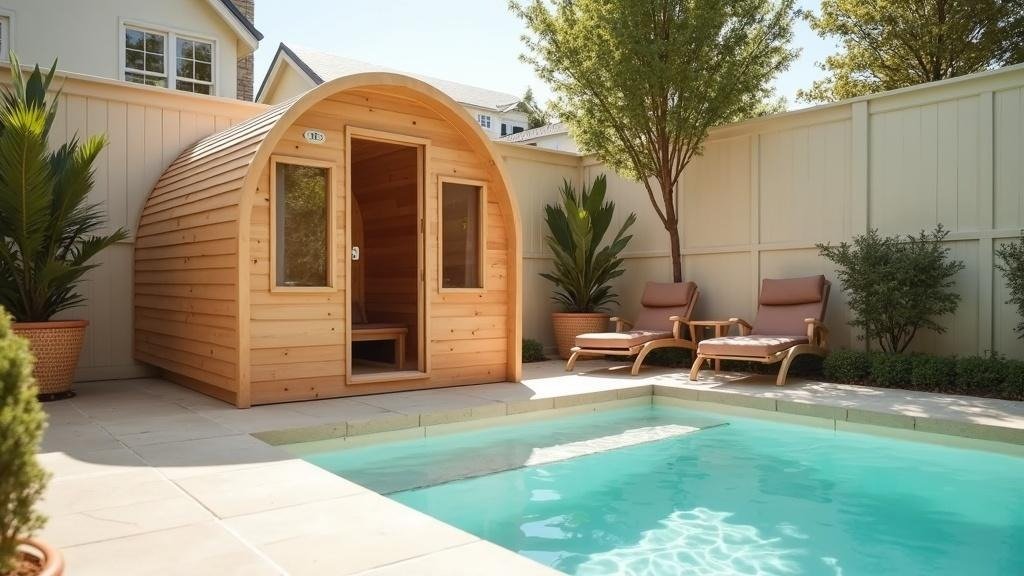
The sauna market is full of beautiful photography and very little practical guidance. Most buyers get this decision wrong the first time.
Here is why that happens, and how to avoid it.
For outside context, see this iccsafe.org.
1. Who Installs It Matters as Much as What You Buy
Most online sauna retailers ship a flat-pack box to your driveway and consider the job done. That works fine if you are a contractor. For everyone else, a pre-wired 240V barrel sauna sitting in the rain while you figure out permitting is a genuine problem.
Sweat Decks takes a different approach. Their teams in Austin, Houston, and Los Angeles handle physical delivery, placement, and installation, and vetted contractors cover the rest of the country. They also send someone out after the sale if something needs inspecting or repairing. That after-sale on-site coverage is rare in this category. Most competitors handle post-purchase issues by email or phone only. When you factor in a price-match guarantee and free consultation before you commit, the service model starts to justify itself even before you pick a product.
Worth knowing: they stock barrel, cube, indoor, outdoor, full-spectrum infrared, and traditional electric and wood-burning options, plus accessories. A single shop that can actually fit the product to your space rather than pushing one SKU is genuinely useful when you are starting from scratch.
See also: Living Your Best Life: Embracing a Vibrant Lifestyle Journey
2. Traditional vs. Infrared: The Heat Source Changes Everything
Traditional saunas, wood-burning or electric, heat the air. You get 160 to 200 degrees Fahrenheit, steam if you pour water on the stones, and a very authentic experience. Infrared saunas heat your body more directly at lower air temperatures, typically 120 to 150 degrees. The lower ambient heat is easier to tolerate for longer sessions.
The honest caveat on infrared: EMF output varies significantly between brands, and the marketing language around low-EMF claims is inconsistent. Clearlight and Sunlighten both publish third-party EMF test data, which is worth asking for from any infrared brand before buying.
3. Budget Has a Real Floor, Not a Soft Guideline
Almost Heaven cedar barrel saunas start around $4,999. That is a legitimate entry point for a real traditional sauna, not a gimmick. Dynamic Saunas sits at the low end of infrared and is best for people who want the experience without the premium price tag, though build quality reflects the price.
Plunge’s Sauna Mini in cedar runs around $10,000. Sun Home’s Luminar full-spectrum infrared models push further into premium territory. These are not better because they cost more. They offer specific features like full-spectrum emitters or refined cedar joinery that matter to certain buyers and mean nothing to others.
Set a real number before you start shopping. Then see which type fits that number honestly.
4. Cold Plunge Is a Separate Decision, With Its Own Cost Logic
A lot of people want both a sauna and a cold plunge. Fine. But the economics are completely different.
Ice-based tubs like the Ice Barrel run $1,150 to $1,500. You buy bags of ice, or you chill the water manually. That works. It is also tedious enough that many people stop doing it within a few months.
Chiller-equipped units keep water cold automatically. Plunge’s All-In model runs $4,990 to $5,990. Sun Home’s Cold Plunge Pro, which can reach approximately 32 degrees Fahrenheit, sits between $9,000 and $14,500 depending on configuration. HigherDOSE skews toward lifestyle aesthetics and infrared blankets as much as full plunge hardware.
The honest split: if you cold plunge consistently three or more times a week, a chiller pays for itself in habit maintenance. If you are testing the practice, start with Ice Barrel.
5. Space and Power Requirements Will Narrow Your Options Fast
A two-person barrel sauna needs a real footprint outdoors and 240V wiring for an electric heater, or a proper chimney setup for wood-burning. Indoor infrared units can sometimes run on 120V, which makes them significantly easier to place in a spare room or garage corner.
Measure your actual space before you look at a single product page. Write down your ceiling height, the distance from the nearest exterior wall, and whether you have a 240V outlet or are willing to add one. Those three facts will eliminate roughly half of any product catalog immediately.
6. After-Sale Support Is the Part No One Reads About Until It Breaks
Sauna heaters fail. Infrared emitters dim. Cold plunge chillers need maintenance cycles. What happens then is the question that most buyers never ask before purchasing.
Some brands offer solid warranty terms on paper but rely entirely on you shipping components back and waiting weeks. nurecover and Ice Barrel are portable or low-complexity enough that repairs are simple. For larger, permanently installed units, you want a company that will actually send a person if needed.
Sunlighten and Clearlight both have established customer service reputations built over many years. Sun Home has grown its support infrastructure alongside its product line. Sweat Decks handles repair and replacement visits directly, which matters most for custom or complex installs where a generic warranty process breaks down.
Ask the specific question before you buy: if my heater stops working six months from now, who comes to my house?
Quick Comparison
| Brand / Retailer | Type | Approx. Price Range | Key Note |
| Sweat Decks | Multi-brand retailer | Varies by product | White-glove install, on-site repair, price-match |
| Almost Heaven | Cedar barrel sauna | From ~$4,999 | Good value traditional entry point |
| Dynamic Saunas | Budget infrared | Low range | Functional, entry-level build |
| Plunge | Cold plunge + cedar sauna | $4,990 to $10,000 | Chiller standard on plunge models |
| Sun Home Saunas | Infrared + cold plunge | Up to ~$14,500 | Full-spectrum infrared, deep chill capable |
| Ice Barrel | Ice-based cold tub | $1,150 to $1,500 | No chiller, low upfront cost |
| Sunlighten | Premium infrared | Premium range | Long track record, third-party EMF data |
| Clearlight | Premium infrared | Premium range | Published EMF testing available |
FAQ
What type of sauna is best for a first-time buyer?
A cedar barrel sauna in the $4,000 to $6,000 range gives you a traditional experience with minimal technology to maintain. If you have limited outdoor space, a two-person infrared unit that runs on 120V is easier to place and start using quickly.
Do I need a permit to install a home sauna?
Usually yes for permanent structures, especially anything requiring new 240V electrical work. Requirements vary by city and county. Your installer should know local rules, and a company with local crews will generally handle this faster than a drop-ship retailer.
Is infrared actually better than traditional?
Neither is objectively better. Traditional saunas run hotter and produce steam. Infrared runs cooler, which some people tolerate more easily for longer sessions. Your preference for heat intensity is the main deciding factor.
How cold does a home cold plunge actually get?
Chiller-equipped units can reach the low to mid 40s Fahrenheit under normal operation. High-end models like Sun Home’s Cold Plunge Pro are rated to approximately 32 degrees Fahrenheit, though sustained use at that temperature depends on ambient conditions. Ice-based tubs depend entirely on how much ice you add.
What should I ask any retailer before buying?
Three questions: What does installation include and who does it. What is the warranty and how are repairs handled physically. Is there a price-match or return policy if a lower price appears elsewhere.
Sources
- Plunge official product pages (plunge.com, public pricing)
- Sun Home Saunas official site (public product specs and pricing)
- Ice Barrel official site (public pricing)
- Almost Heaven Saunas official site (public pricing)
- Clearlight Sauna published EMF documentation (public)
- Sunlighten official site (public product and brand history)